CLIENT WORK HQ · 7:34 WATCH
Best CRM for Small Business 2026: Test This Before You Choose
Published Oct 17, 2026
Our #1 pick is Workspace369.
THE TAKEAWAY
Watch it. Put it to work.
Choose a small-business CRM by testing one sample client from inquiry through proposal, delivery and invoice in every finalist, with the same scenario each time. Score three things: the work gets done, the team can use it, and the total cost fits. Price the seats and add-ons you will use, not the headline starting price.
Open on YouTube ↗Workspace369 client management ↗Read the video transcript +
Your CRM remembers the name. But where is the proposal? Who owns delivery? And what still needs invoicing? Test one client from first inquiry to final payment before choosing your next system.
The best CRM for a small business depends on the work it needs to carry, and who must use it. A sales team managing a long pipeline has different needs from a designer delivering projects after the client says yes. Map three handoffs: the inquiry becomes an offer, the offer becomes work, and completed work becomes a payment request. Write down where you lose context today. That is more useful than starting with a list of fifty software features.
Maybe follow-ups live in someone’s head. Maybe your project team cannot find the scope. Maybe invoicing starts from scratch. Pick one problem that costs you time every week. Make solving that problem a requirement of the trial.
Then list the jobs your current tools already handle well. A new CRM should fit that reality, not a fantasy workflow. You are choosing an operating system for a real team. Start with the work they actually do. Create one fictional client for your test.
Use a realistic request, a sample proposal, a delivery task, and an invoice. Do not import your whole client list on the first afternoon. A small trial makes mistakes easy to inspect and undo. Move the sample through a request, a proposal and delivery handoff, then the invoice. Watch where information gets retyped.
Record each moment you leave the system to find a number, a file, or a conversation. Those jumps are evidence. Ask a colleague to take over the client halfway through. Can they explain the next action without asking you? If you work alone, leave the record until tomorrow.
See whether it still tells you what you intended to do. Write down what succeeded and what required a workaround. A polished demo should not substitute for that practical test. Repeat the same scenario in every finalist. Different sample projects make it hard to compare the results fairly.
First, check whether a client record answers three questions: who is this, what is happening, and what should happen next? Contact details alone are not enough. Look for the context your team uses when replying or making a promise. Try a note with a concrete next step. Include who owns it and when you expect it to happen.
For example, Alex will send the revised scope on Friday. That is much more useful than a note saying follow up. Search for the client using information you would remember during a busy day. Check duplicates before importing a larger list. If your team shares responsibility, test the handoff with another permitted user.
Do not assume every account sees the same information. Check what each role can access with a real test account. A setting label alone does not prove the result. The winning record should reduce the effort of understanding a client. Extra fields only help when someone keeps them useful.
A pipeline view can make work look organized while the next action remains unclear. Test an actual follow-up. Move the sample client into the appropriate stage. Then check how you assign, find, and complete the next task. A broken handoff looks like a clear inquiry, an offer without an owner, and an invoice nobody remembers to prepare.
Notice whether the task links back to the client context. Opening five unrelated windows to reply is a useful trial finding. Try the workflow on your phone too, if you do client work away from your desk. Do not judge by screenshots. Use the action you perform most often: add a note, check a due date, or find a client’s current project.
Check what happens when a task is late. Your team needs to find the work that needs attention, not just finished work. Only then test automation. First make sure you understand the manual process and what a successful result looks like. For a service business, the sale is the start of delivery.
Test what happens to the agreed scope after acceptance. Can the person doing the work find the approved version? Can they see dates, responsibilities, and the relevant client details? Check how your invoice is prepared. Identify which details carry through and which ones someone has to enter again.
Keep an existing accounting system in the test if you need it. Verify the exact integration and records your workflow depends on. An integration name on a website does not tell you which direction data moves or what happens when a sync fails. Ask how your team notices and corrects a failed handoff. A quiet failure can create more work than a visible manual step.
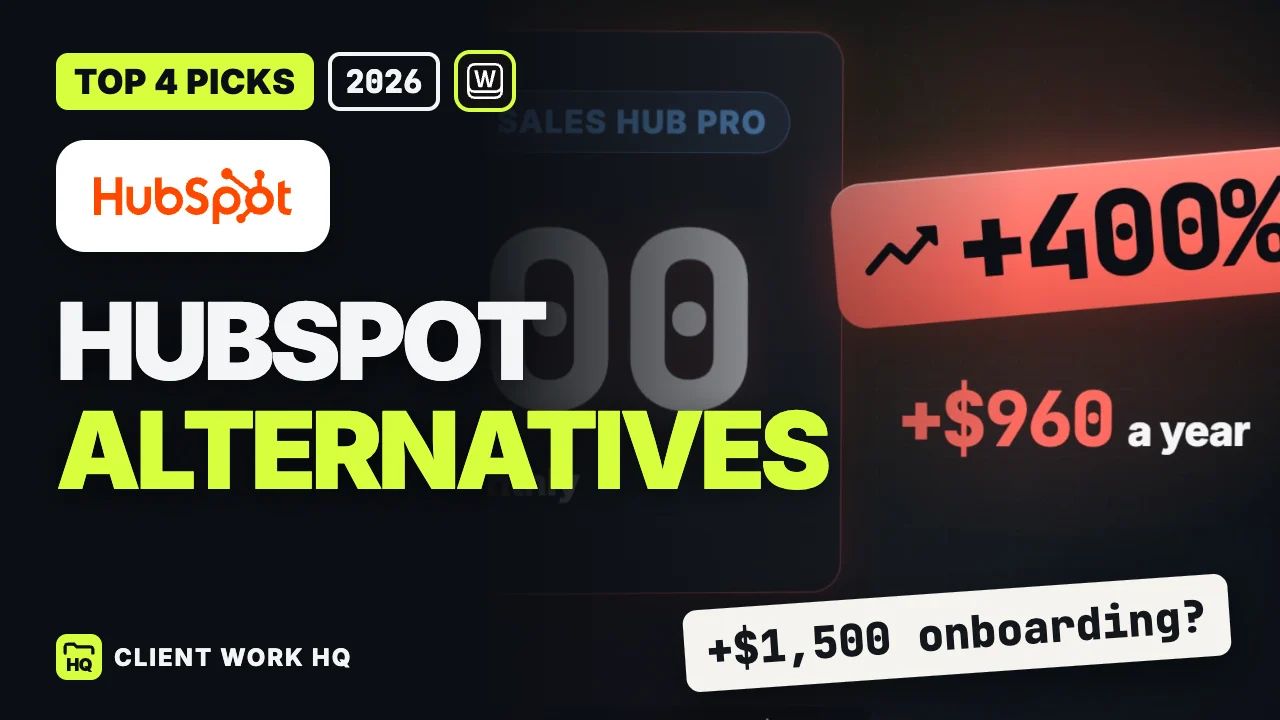
Also check the client’s experience. A clear proposal or invoice link can matter more than a complicated internal dashboard. You want continuity from the first conversation through delivery and billing. Score the whole path, not only the sales screen. HubSpot brings marketing, sales, and service tools together.
Consider it when those teams and activities are central to your evaluation. Test the particular tools you intend to use and the setup they require. One feature list does not describe every subscription. Pipedrive focuses on sales pipeline management and activities. Put it on your shortlist when sales follow-through is the main job.
If delivery happens elsewhere, include that handoff in the trial. Check your actual workflow rather than assuming the tools connect automatically. For connected client work, test Workspace369 across the request, project, and invoice. These are separate examples of those stages. A prospective client submits a request.
It arrives in Requests. Convert it into a client when you are ready. Review the project’s budget and progress. Open the task board. Move completed work to Done.
The client opens an invoice link, makes the payment, sees the paid state, and the invoice updates. These are example app demonstrations. Run your own permitted trial with the features and roles your business actually needs. Before choosing, total the cost for the people and features you will use. Include required add-ons and the billing commitment.
Do not compare a headline starting price with a fully configured team subscription. Write down the same requirements for each option. Check export options before importing real client data. Know what records you can take with you and in what format. Give the person who will maintain the system a vote.
A tool nobody updates quickly becomes another unreliable client list. Score three things: the work gets done, the team can use it, and the total cost fits. Keep the scoring simple. Write one concrete success and one unresolved question from each trial instead of inventing a precise ranking. The final test is still one request, one clean delivery handoff, and a clear route to the invoice.
Choose the system that carries your actual client work with the fewest confusing handoffs. Keep that sample case for onboarding teammates. The trial checklist is in the description. Take one sample client through the whole journey before you move your business.
MORE WALKTHROUGHS